
Hey there, explorers! Thanksgiving isn’t only about turkey, pumpkin pie, and a day off from school. It’s also a great chance to notice the good things around you, help your family, practice kindness, and create memories together.
You can even use some of the same skills from these time-management tips for kids and teens to make room for homework, family traditions, helping at home, and plenty of Thanksgiving fun.
Let’s Fill Thanksgiving With Gratitude, Kindness, and Fun
Thanksgiving can be more meaningful when you do more than simply wait for the big meal. You can help, create, explore, say thank you, and even start a new family tradition. Here are 11 easy ideas to try.
A Kid’s Guide to Thanksgiving Joy
1. Create a Thanksgiving Adventure Chart
Draw a simple calendar or checklist for the days leading up to Thanksgiving. Add schoolwork, family activities, time to play, and one or two things you want to do to help someone else.
Your chart doesn’t need to be perfect. Its job is simply to help you remember the fun things you want to do without forgetting your regular responsibilities.
2. Become a Homework Hero
Finish important schoolwork before holiday activities begin whenever you can. Then you can enjoy crafts, baking, games, movies, or family time without thinking about an unfinished assignment waiting for you.
3. Go on a Thanksgiving Nature Walk
Head outside with an adult and notice what has changed with the season. Look for colorful leaves, pine cones, interesting branches, birds, or other things you might normally walk past without noticing.
You can take pictures, draw what you see, or collect safe natural items where collecting is allowed and use them for a Thanksgiving craft later.
4. Make a Thankful Pumpkin
Choose a pumpkin and, with an adult’s permission, write one thing you’re thankful for on it each day. Family members can add their own answers too.
By Thanksgiving, your pumpkin will be covered with reminders of people, experiences, and little moments that made your family smile.
Add Even More Thankfulness and Kindness
Gratitude doesn’t have to happen only on Thanksgiving. HealthyChildren.org, from the American Academy of Pediatrics, encourages families to talk regularly about what went right and what they are grateful for, even on ordinary days.
5. Build a Gratitude Tree
Draw a tree on a large piece of paper. Cut out paper leaves and write one person, place, memory, or thing you appreciate on each leaf.
Invite everyone in the family to add a leaf. By Thanksgiving Day, you’ll have a colorful reminder of all the good things your family noticed together.
6. Complete a Daily Kindness Mission
Choose one small kind action each day. You could help put groceries away, share with a sibling, give someone a compliment, help prepare dinner, or clean something without waiting to be asked.
Helping before someone reminds you is also great practice for becoming a stronger self-starter.
7. Make Thank-You Cards

Create colorful cards for people who make a difference in your life. You might write to a teacher, grandparent, neighbor, friend, coach, mail carrier, or family member.
Try adding one specific reason you appreciate that person. Instead of only writing “Thank you,” tell them what they did that mattered to you.
8. Try a Clean-and-Green Mission
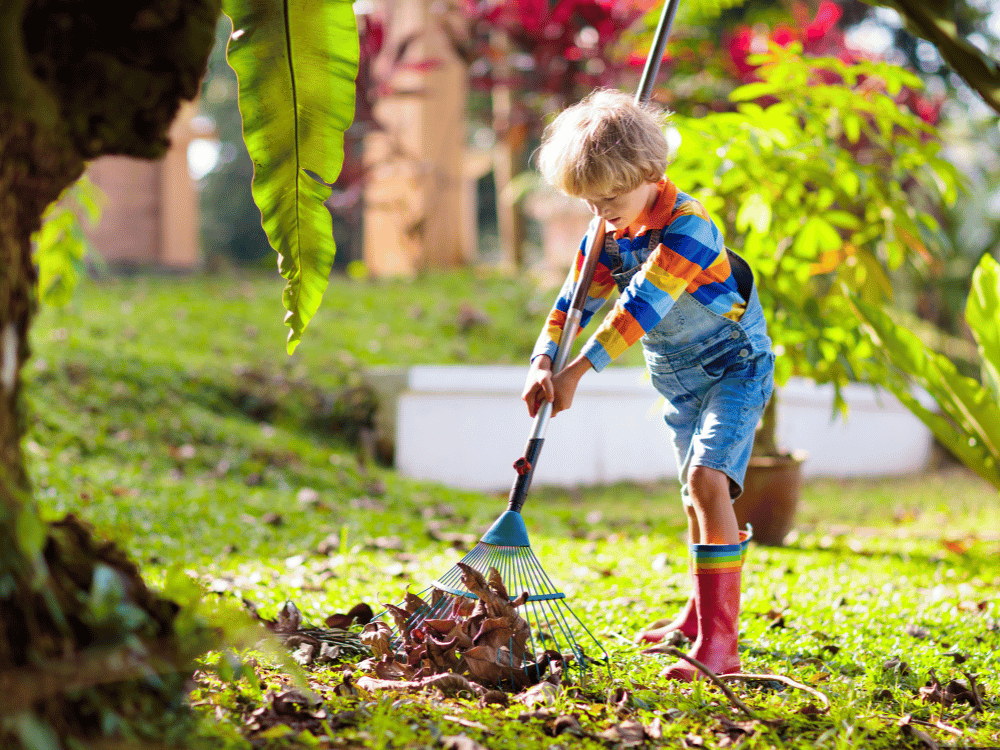
Choose one small area you can make better. Help clean your room, organize a shared space, pick up litter with an adult, help in the garden, or sort items your family can donate.
Caring for the spaces around you is another way of showing appreciation for what you have.
9. Create a Jar of Thanks
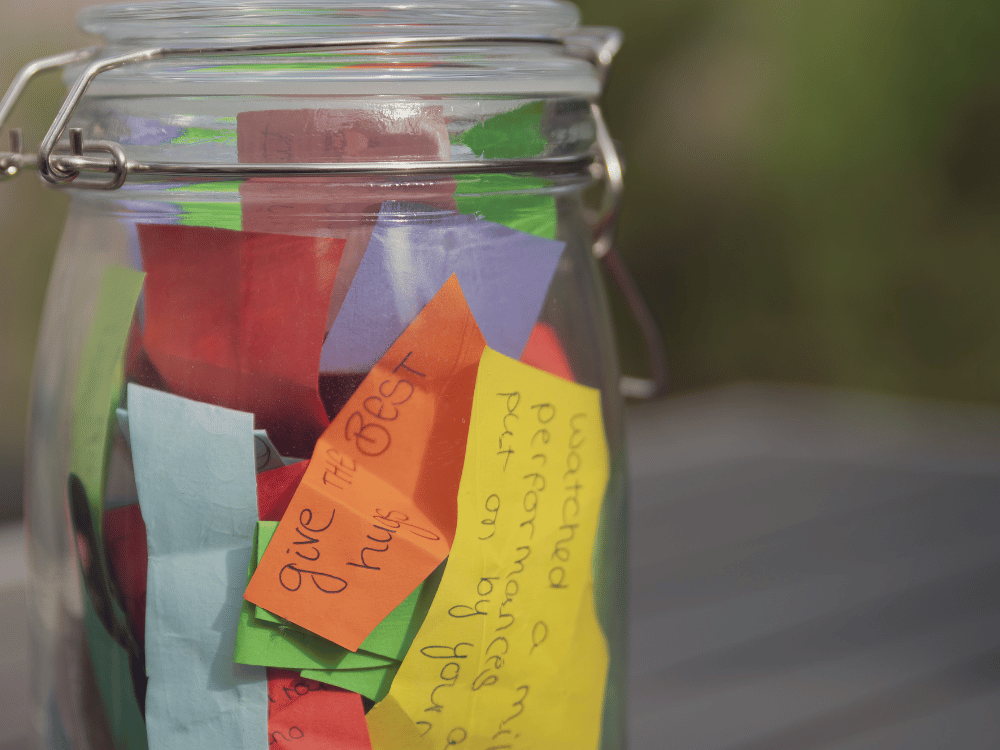
Place a jar somewhere everyone can reach it. Whenever something good happens, write it on a small piece of paper and put it inside.
Your notes might say:
- “Grandma made my favorite dessert.”
- “My friend helped me today.”
- “We played a really funny game.”
- “I finished something that was hard.”
Read the notes together on Thanksgiving—or save them until the end of the year.
10. Find a Thanksgiving Buddy
Choose a friend, sibling, parent, or other family member and ask each other one simple question every day: “What are you thankful for today?”
Your answers don’t have to be big. Sometimes the best answers are things like a warm breakfast, a funny conversation, your pet, a comfortable bed, or someone helping you when you needed it.
11. End the Week With a Family Reflection
At the end of the week, sit together somewhere comfortable and talk about what everyone enjoyed.
- What was your favorite memory?
- What are you thankful for?
- What kind thing did someone do for you?
- What kind thing did you do for someone else?
- What would you love to do again next Thanksgiving?
Keep Your Gratitude Going
If you enjoy the Thankful Pumpkin, Gratitude Tree, or Jar of Thanks, you can keep the habit going after Thanksgiving with a gratitude journal.
The Daily Gratitude Journal for Kids: 100 Days of Gratitude for a Super Awesome and Amazing Life gives kids a dedicated place to practice noticing and recording things they appreciate each day.
You can also explore planning, habit, and activity printables in the Efficiency Plan Etsy Shop.
Celebrate the Little Things
Thanksgiving doesn’t have to be perfect to be special. Every task you finish, every new thing you learn, every person you help, and every good moment you notice can become part of the celebration.
If you want even more ideas for creating meaningful family moments during the holiday season, try our guide to making the holidays extra special.
This Thanksgiving, look for chances to help, laugh, learn, notice something good, and tell someone you appreciate them. Those small actions can become some of the memories you remember most.
Happy Thanksgiving! 🦃🍂
Best Wishes,
Quick Questions About Thanksgiving Gratitude for Kids
How can kids practice gratitude at Thanksgiving?
Kids can keep a gratitude jar, create a thankful pumpkin, make thank-you cards, talk about the best part of their day, write in a journal, or simply tell someone why they appreciate them.
What are some easy Thanksgiving activities for kids?
Try a nature walk, gratitude tree, family kindness challenge, Thanksgiving journal, thank-you cards, helping prepare the meal, cleaning a shared space, or creating a family reflection activity.
Does gratitude have to stop after Thanksgiving?
No. Gratitude can become a simple everyday habit. Families can continue sharing something they appreciate at dinner, before bed, in a gratitude jar, or in a journal throughout the year.