
Hey There, Young Adventurers!
Do schoolwork, chores, sports, activities, and everything else sometimes feel like they are all competing for your time? Maybe you finish the day wondering where the hours went—or wishing you had more time for friends, hobbies, games, or your favorite books.
Here’s the good news: time management is a skill you can learn. You don’t have to plan every minute of your day or become perfectly organized overnight. A few simple habits can help you understand what needs to be done, decide what comes first, and leave more room for the things you enjoy.
The Center on the Developing Child at Harvard University explains that executive function skills help us plan, focus attention, manage information, and make decisions. These abilities develop over time, which means practicing skills like planning and prioritizing can make them easier to use.
Tip 1: Set Clear Goals

Start by deciding what you actually want to accomplish. A goal such as “do better in school” can feel too big because it doesn’t tell you what to do next.
Try making the goal more specific:
- Finish my science project by Thursday.
- Read 20 pages tonight.
- Practice piano for 20 minutes after homework.
- Clean my desk before the weekend.
Then break bigger goals into smaller actions. If you need more help turning ideas into achievable steps, read our guide on how to set clear goals and achieve your dreams.
Tip 2: Use a Planner or Calendar

Your brain already has plenty to remember. You don’t need to keep every homework assignment, practice, appointment, project, and reminder in your head too.
Use a paper planner, calendar, whiteboard, or digital calendar to record important responsibilities. Include:
- Homework
- Projects and tests
- Sports and extracurricular activities
- Appointments
- Chores
- Special events
Writing things down also gives you a place to look when you forget what needs to happen next. Learn more about why writing things down can help you remember.
Tip 3: Prioritize Your Tasks
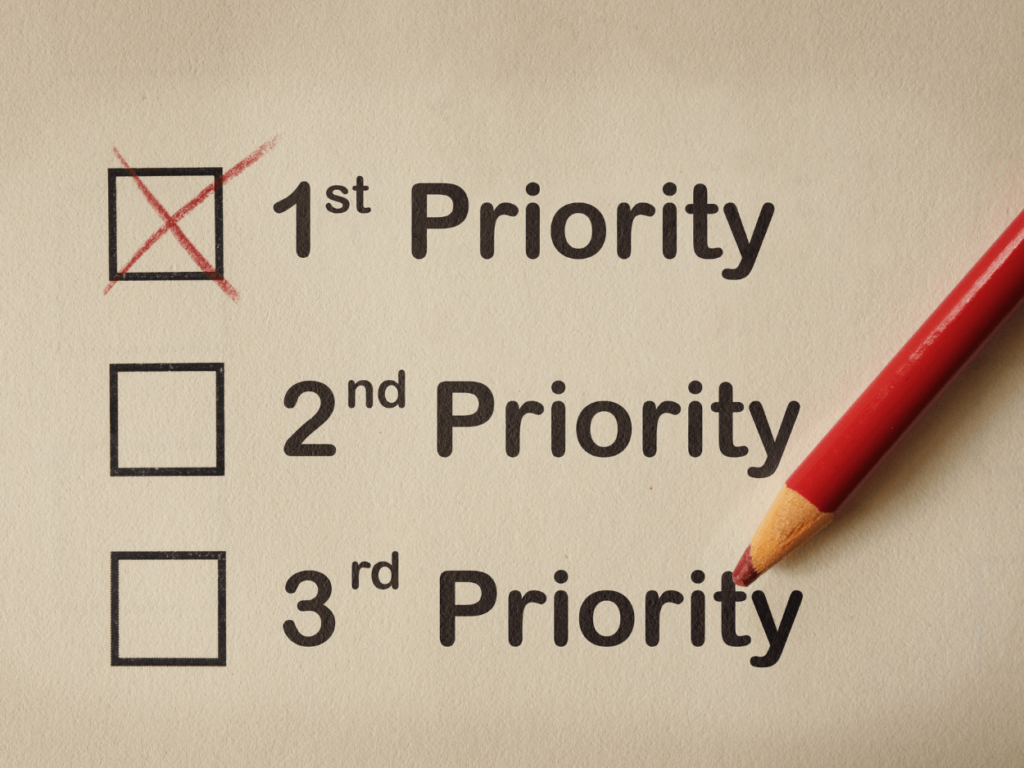
Once you know everything you need to do, decide what deserves your attention first.
Ask yourself:
- What is due first?
- What will take the longest?
- What is most important?
- Does something need to happen before another task can begin?
- Can something wait until tomorrow?
You don’t always need a complicated priority system. Sometimes choosing your top three tasks for the day is enough. If deciding what comes first is difficult, these strategies for learning how to prioritize can help.
Tip 4: Give Important Tasks Their Own Time
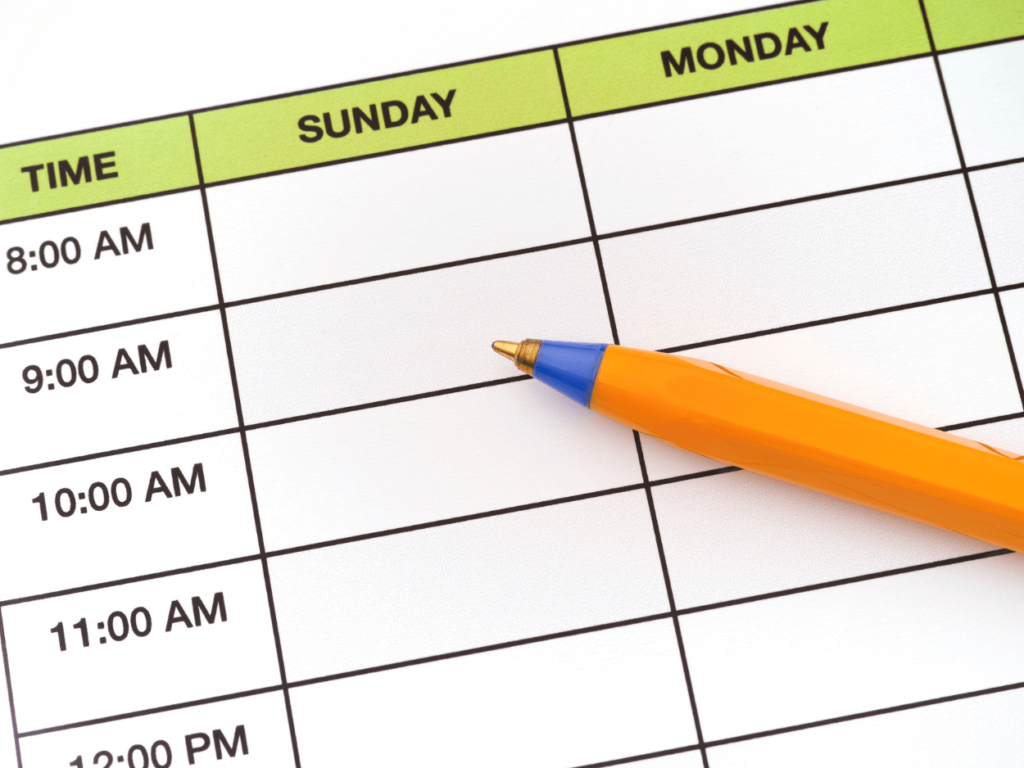
If you only write “do homework” on a list, you still have to decide when it will happen. Giving important tasks a specific place in your schedule can make starting easier.
For example:
- 4:00–4:30: Snack and relax
- 4:30–5:00: Math homework
- 5:00–5:15: Break
- 5:15–5:45: Science project
- Afterward: Free time
Your schedule doesn’t have to look exactly like this. The important thing is to create a realistic plan that includes both responsibilities and breaks.
Tip 5: Make Distractions Harder to Reach

It is much harder to focus when notifications, games, videos, messages, or other distractions are constantly asking for your attention.
Before beginning an important task, try:
- Putting your phone somewhere you cannot easily reach it.
- Turning off unnecessary notifications.
- Closing tabs you do not need.
- Keeping only the materials for your current task on your desk.
- Working somewhere quieter when possible.
You don’t have to eliminate every distraction forever. Just make it easier to focus during the time you decided to work.
Tip 6: Take Breaks and Recharge

Good time management does not mean working every second of the day. Your schedule should also include time to eat, move around, rest, talk with friends and family, enjoy hobbies, and sleep.
After a focused work period, take a short break. Stretch, get water, walk around, or do something different for a few minutes before beginning the next task.
Tip 7: Review and Adjust

Plans change—and that’s okay. Maybe homework took longer than expected, practice was canceled, or something important suddenly came up.
At the end of the day, ask yourself:
- What did I finish?
- What still needs to be done?
- Did I give myself enough time?
- What distracted me?
- What should I change tomorrow?
Time management improves when you notice what works for you and adjust what doesn’t.
A Helpful Planner for Students
If you prefer planning on paper, the Order Out of Chaos Academic Planner 2026–2027 is designed specifically for students. Its weekly layout helps students see assignments and tests alongside after-school activities and available blocks of time, making it easier to understand not only what needs to be done but also when there is time to do it.
You can also explore planners, routines, checklists, and productivity printables in the Efficiency Plan Etsy Shop.
Start Small
Time management is not about fitting as much work as possible into every day. It is about understanding your responsibilities, choosing what matters most, and creating enough structure that you still have time for school, activities, rest, friends, family, and fun.
Pick just one strategy from this list to practice this week. Once that one becomes easier, add another.
Remember: you will forget things sometimes. Your schedule will not always go according to plan. That doesn’t mean you failed—it means you have new information you can use to make tomorrow’s plan better.
You got this!
Best Wishes,
Quick Questions About Time Management for Kids and Teens
What is the easiest way for a student to start managing time better?
Start by writing down everything that needs to be done and choosing the most important few tasks for the day. Once those responsibilities are visible, decide when you realistically have time to work on them.
Should kids schedule every minute of their day?
No. A useful schedule should provide enough structure to remember responsibilities while still leaving room for breaks, free time, family activities, and unexpected changes.
What if a student keeps forgetting to use a planner?
Connect planner use to an existing routine. For example, check it immediately after school, before starting homework, or while packing the backpack for the next day. Keeping the planner in the same visible place can also make the habit easier to remember.



This article is a game-changer for parents and educators! The tips provided are not only practical but also empowering for kids and teens to take charge of their time management. It's inspiring to see such a thoughtful approach to helping young people develop these crucial skills early on. Thank you for sharing these valuable insights!