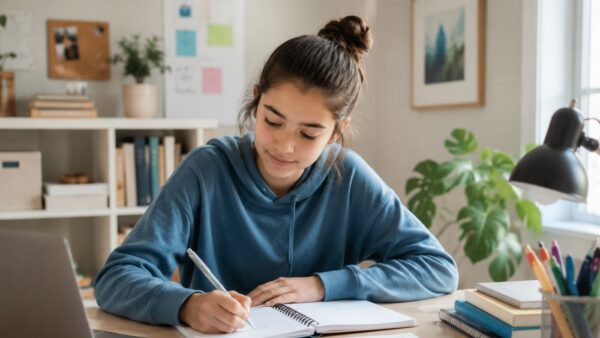
For many students, managing school materials, personal belongings, and study spaces can be a challenge. An overflowing backpack, a cluttered desk, or papers scattered around a room can make everyday tasks take longer and create unnecessary frustration.
Organization is not about keeping everything perfectly tidy. It is about creating simple systems that make it easier to find what you need, remember responsibilities, and know what to do next.
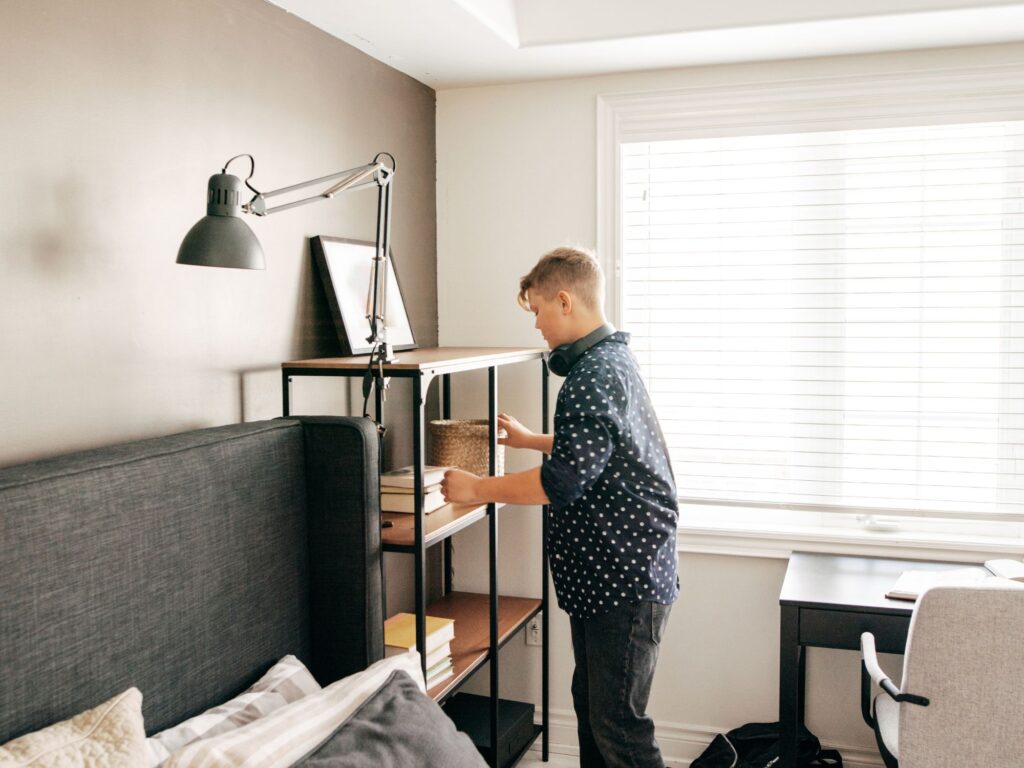
Our Decluttering and Organizing Course is designed to help students develop practical strategies for creating and maintaining a more functional space. Students learn how to organize belongings, establish routines, and build systems they can realistically maintain instead of repeatedly cleaning everything from scratch.
These abilities connect to broader skills students use every day. The Center on the Developing Child at Harvard University explains that executive function skills help us plan, focus attention, manage information, and make decisions. These skills develop through experience and practice.
What You’ll Learn: Decluttering and Organization Skills
Decluttering & Organizing Techniques
Decluttering is more than simply tidying up. It means making intentional decisions about what belongs in a space and creating a logical place for the things you use regularly.
In this course, students will:
- ✔ Learn how to assess their space and identify areas that need improvement.
- ✔ Practice deciding which belongings are useful and which can be donated, relocated, or discarded.
- ✔ Learn simple categorization techniques for school supplies and personal belongings.
- ✔ Explore space-saving strategies for bedrooms, desks, lockers, and shared spaces.
- ✔ Create personalized systems that fit their routines and study habits.
Organization also becomes much easier when students understand how to decide what deserves attention first. Our guide on helping teens learn to prioritize explores how young people can make those decisions with greater independence.
Building Healthy Organization Habits & Routines
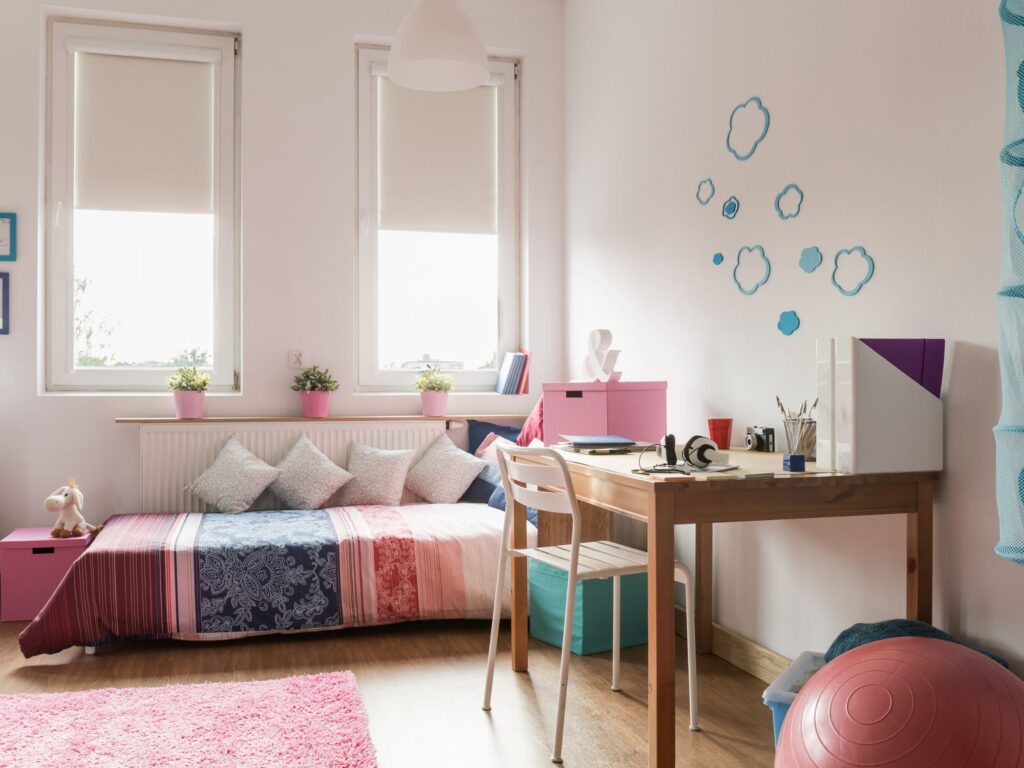
Getting organized once is useful. Learning how to stay organized is the bigger skill. The course helps students create routines that make resetting their space easier and prevent clutter from building up again.
Students will:
- ✔ Recognize how everyday routines affect organization and productivity.
- ✔ Develop simple systems for managing school supplies, papers, personal items, and study materials.
- ✔ Practice small habits that prevent clutter from accumulating.
- ✔ Learn quick reset routines instead of relying on occasional major cleanups.
The goal is for students to need fewer reminders over time. Developing organization routines can support the same independence discussed in how being a self-starter helps kids succeed.
Practical Organization Skills for Everyday Life
The goal of this course is to make organization a practical skill students can use beyond the lesson itself. By applying what they learn, students can:
- ✔ Create a study area where important materials are easy to find.
- ✔ Organize school materials so less time is spent searching for misplaced items.
- ✔ Establish routines for backpacks, homework, papers, and school supplies.
- ✔ Reduce unnecessary distractions in their study environment.
- ✔ Build greater responsibility for managing their own belongings.
Organization and time management also work together. Once students know where their materials are and what needs to be done, these time-management strategies for kids and teens can help them decide when to do it.
Why Organization Matters for Students

Students are gradually expected to manage more responsibilities on their own: homework, deadlines, projects, personal belongings, activities, and schedules. Organization provides a structure for managing those responsibilities.
A good organizational system also reduces unnecessary work. When a student knows where homework belongs, where school supplies are stored, and what needs to happen before the next school day, fewer decisions need to be made repeatedly.
An Extra Organization Resource for Parents
For parents who want additional strategies to support an older child or teenager, The Organized Student: Teaching Children the Skills for Success in School and Beyond by Donna Goldberg with Jennifer Zwiebel is especially relevant. It includes practical approaches for organizing backpacks, binders, papers, study spaces, planners, and time.
If visual checklists and trackers work well for your child, you can also explore printable organization, responsibility, and routine tools in the Efficiency Plan Etsy Shop.
Enroll and Start Organizing Today
Whether a student struggles with an overflowing backpack, a cluttered workspace, misplaced school materials, or inconsistent organization habits, this course provides step-by-step guidance for creating systems that are easier to maintain.
The objective is not perfection. It is helping students develop practical skills they can continue using as their schoolwork, schedules, and responsibilities become more complex.
Click here to learn more and sign up! 🌟

Enjoy $10 off
Get $10 off my classes with coupon code EVERHELLO10
Explore my classes at Set Learning Free and use the coupon code at checkout.
Quick Questions About Helping Students Get Organized
How can a student start organizing a very messy space?
Start small. Choose one defined area such as a backpack, desk drawer, or homework space. Remove everything, group similar items together, decide what belongs there, and give frequently used items a consistent home.
How can students keep their space organized after cleaning it?
Create a short reset routine that can be repeated regularly. Putting papers in the correct place, returning supplies, clearing the desk, and preparing the backpack can take only a few minutes when done consistently.
Should parents organize everything for their child?
Parents can provide structure and guidance, but students benefit from practicing the decisions themselves. The goal is to gradually create systems the student understands and can maintain with less adult support over time.