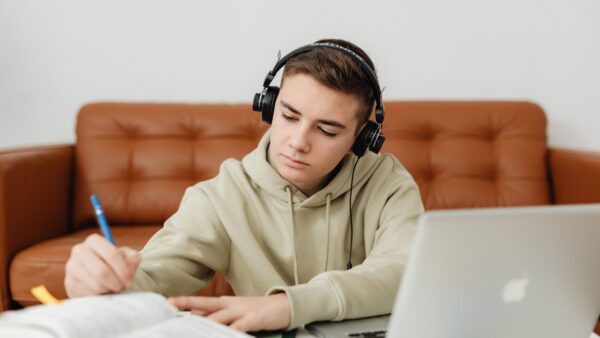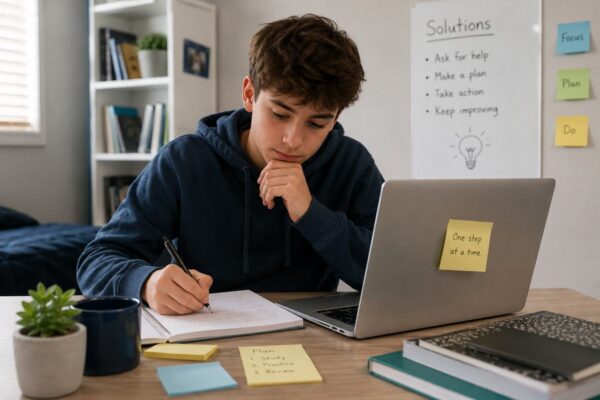
Have you ever noticed that some students always seem calm?
They are not rushing around looking for a missing assignment. They are not panicking the night before a big project is due. They usually know what is coming next, and they rarely seem completely overwhelmed.
It is not because they are smarter.
It is not because life is easier for them.
More often than not, they have learned a skill many people do not recognize until much later in life.
They have learned to play offense by becoming a self-starter.
Playing offense is not just a sports idea. It is a way of handling school, stress, responsibility, and everyday life.
If you learn this skill now, you give yourself an advantage. It can help you feel more confident, earn more trust, become more capable, and enjoy a lot more peace in your day-to-day life.
What Does Playing Defense Look Like?
Think about a football game.
A team has to play defense. There are times when reacting is unavoidable. Life works the same way.
Maybe you forgot your homework. Maybe you waited until the last minute to start a project. Maybe you are searching your room for something you need five minutes before it is time to leave.
Now you are reacting to a problem that has already happened.
That is playing defense.
Everyone plays defense sometimes. The goal is not to eliminate it completely. The goal is to spend less of your life there.
What Does Playing Offense Look Like?
Playing offense means thinking one step ahead.
Instead of waiting for tomorrow’s problems to become today’s emergencies, you make small decisions now that make life easier later. That is one reason strong time management skills for kids and teens matter so much.
You pack your backpack before bed. You begin the project the week it is assigned instead of the night before it is due. You put things back where they belong instead of telling yourself you will deal with it later.
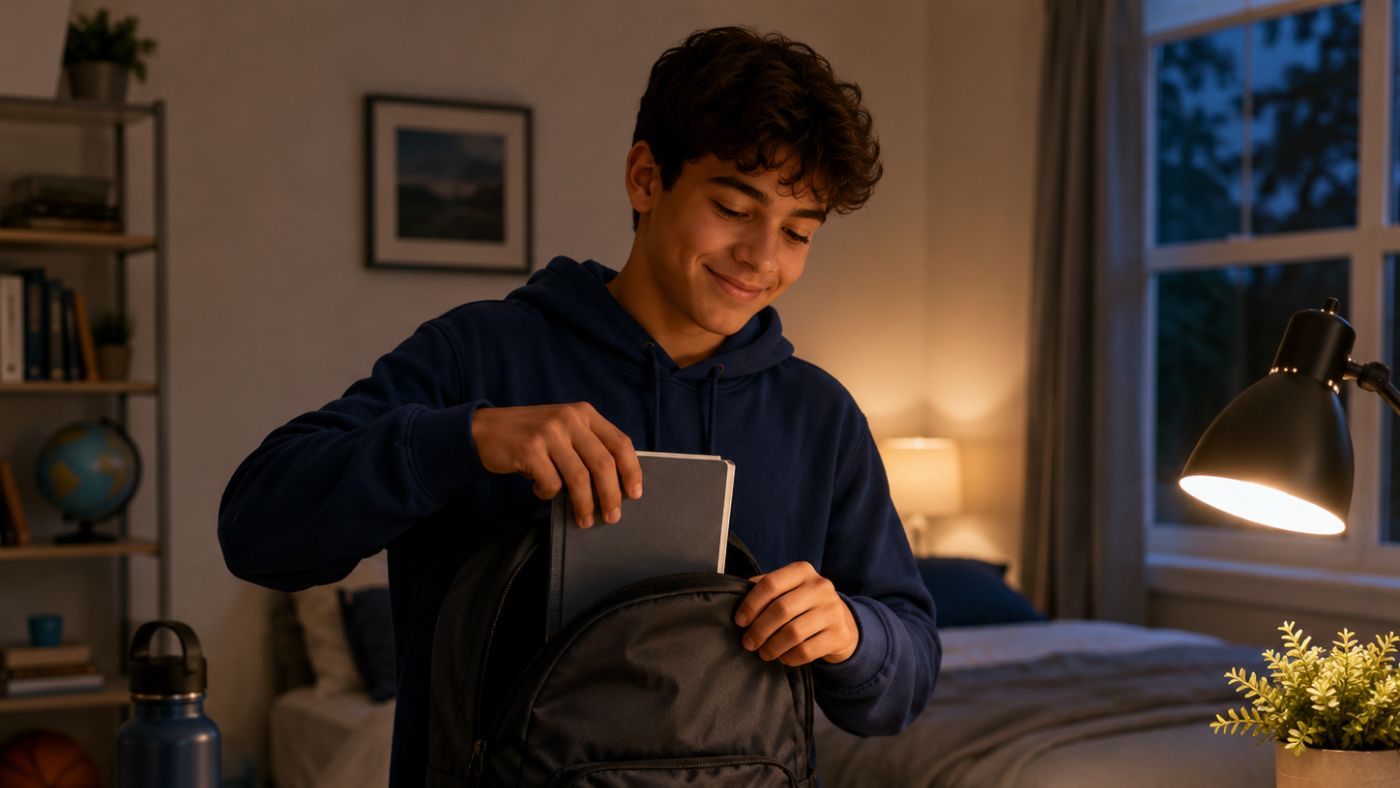
Those decisions may seem small, but over time they completely change how your days feel.
You spend less time rushing, less time apologizing, and less time feeling overwhelmed. You gain more time to learn, more time to enjoy your interests, and more time to do your best work.
This Is a Skill You Can Build at Any Age
Here is something worth knowing.
This is not a skill everyone automatically learns as they grow up.
Many adults are still working on it today. They are learning how to stay organized, think ahead, manage their time, and avoid constantly reacting to problems instead of preventing them.
The good news is that this skill can be learned at any stage of life. It is connected to executive function skills, which help people plan, focus attention, switch gears, and manage tasks.
The even better news?
If you are learning it now, you are getting a head start.
Every year you spend practicing this way of thinking is another year you spend building confidence, earning trust, creating more peace in your life, and becoming someone others know they can depend on.
This is not just a school skill. It is a life skill. The earlier you begin practicing it, the longer you will benefit from it.
Example 1: Getting Ready for School
Imagine two students.
One wakes up and immediately starts searching for socks, charging a Chromebook, packing a backpack, and trying to remember whether the homework was finished.
The other student packed everything the night before.
Neither student is more intelligent.
One simply made tomorrow easier.
Playing offense often takes only a few minutes, but it can create a much calmer morning. It also helps students practice thinking through the next step without always needing an adult to tell them what to do.
Example 2: Homework
A project is due in two weeks.
One student ignores it until the night before. Now they are stressed, rushing, and hoping nothing goes wrong.
Another student spends fifteen or twenty minutes on it every few days. By the due date, they are confident because they prepared instead of panicked.
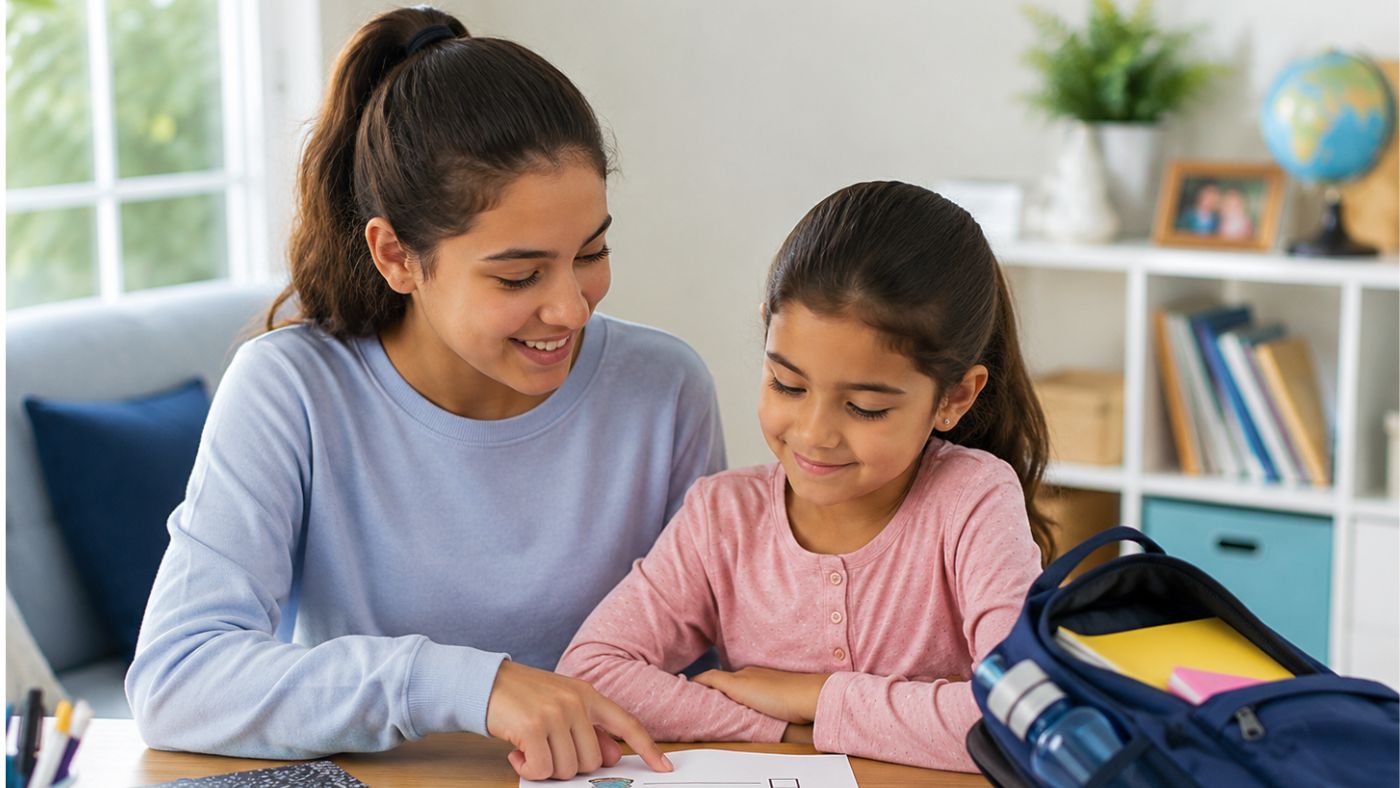
Playing offense does not always mean working harder.
It often means starting sooner.
Example 3: Keeping Your Room Organized
Cleaning a disaster takes a long time.
Putting one shirt away takes a few seconds. Returning one book to a shelf takes almost no effort. Putting your backpack in the same place each day can save you from searching for it later.
Small habits prevent big messes.
That lesson applies far beyond your bedroom. It is how successful people approach almost every responsibility they have. If you want to understand how responsibility grows over time, The Responsibility Ladder is a helpful next step.
The Real Reward of Playing Offense
The biggest reward for playing offense is not simply getting more done.
It is gaining more peace.
When you are prepared, you worry less.
It is earning more trust.
Parents, teachers, coaches, friends, and future employers notice people who are dependable.
It is building more confidence.
Every time you keep a promise to yourself, you prove that you can handle more responsibility.
It is developing real skill.
Planning, organizing, communicating, and following through are not talents only some people are born with. They are abilities you can build through practice.
It is growing into leadership.
People naturally respect the person who stays calm, thinks ahead, and helps prevent problems before they get bigger. This is also why learning how to prioritize as a teen is such an important leadership skill.
That kind of person is trusted with more opportunities, not because they are lucky, but because they are prepared.
How to Start Playing More Offense This Week
You do not need to change your whole life at once.
Start with one area where you usually feel rushed, stressed, or behind.
Maybe it is your morning routine. Maybe it is homework. Maybe it is keeping your room organized. Maybe it is remembering what you need for practice, lessons, activities, or school.
Then ask yourself one simple question:
What can I do now that will make later easier?
That question is the beginning of playing offense.
You might pack your bag tonight. You might write down the first step of a project. You might clean your desk before starting homework. You might set out what you need for tomorrow before you go to bed.
Small moves count.
The point is not to become perfect. The point is to become better at thinking ahead. If you want a practical next step, learning how to set clear goals and achieve them can help you turn good intentions into action.
Need simple tools to help students build better habits?
Printable planners, checklists, and routine tools can make it easier for kids and teens to practice responsibility, organization, and follow-through one small step at a time.
Final Thoughts: Give Yourself the Advantage
There will always be times when you have to play defense. Something will be forgotten. Plans will change. Problems will happen. That is part of life.
The goal is not to avoid every hard moment.
The goal is to become the kind of person who knows how to prepare, adjust, and keep moving forward.
When you learn to play offense, you create more peace in your day. You earn more trust from the people around you. You build more confidence in yourself. You develop skills that will help you in school, work, relationships, leadership, and life.
That is a powerful advantage.
You do not have to wait until you are an adult to start building it.
You can start now.
Frequently Asked Questions
What does playing offense mean for students?
Playing offense means thinking ahead and taking small actions that prevent stress later. For students, this might mean packing a backpack the night before, starting homework earlier, keeping track of assignments, or staying organized before things become overwhelming.
What does playing defense mean in everyday life?
Playing defense means reacting to problems after they have already happened. It can look like rushing, forgetting things, waiting until the last minute, losing important items, or feeling stressed because there was no plan.
Why is learning to think ahead important for kids and teens?
Learning to think ahead helps kids and teens build responsibility, confidence, organization, and independence. It also helps them earn trust from parents, teachers, coaches, and future employers because they become more dependable.
Can adults learn to play offense too?
Yes. This is a skill that can be learned at any age. Many adults work on time management, organization, planning, and better habits. Learning these skills earlier simply gives students more time to benefit from them.
How can I start playing offense today?
Choose one area where you often feel rushed or behind. Then ask, “What can I do now that will make later easier?” Start with one small action, such as packing your bag, writing down assignments, cleaning your desk, or beginning a project before it becomes urgent.
Related Reading
- How to Ask for Help the Right Way
- Harvard Center on the Developing Child: A Guide to Executive Function
At Efficiency Plan Kids, we believe strong habits create more freedom, not less.
When you learn to think ahead, prepare well, and follow through, you build skills that help you feel calmer, more confident, and more capable. One small habit at a time, you can become the kind of person who is ready for the opportunities ahead.