
Productivity isn’t just about doing more—it’s about doing the right things with intention, clarity, and flow. But how do you know when your current approach just isn’t working anymore? Here are some clear signs it’s time for a productivity makeover—and what to do about it.

1. You Constantly Feel Behind
If your to-do list feels like it’s multiplying overnight and you’re always racing to catch up, your system likely needs a reset. Productivity should help you feel in control, not trapped in a cycle of urgency and burnout.
If this feels familiar, it may help to look at why you’re always behind schedule. Sometimes the problem isn’t the amount of work—it’s how priorities, interruptions, and unfinished tasks are competing for your attention.
2. You’re Busy All Day… But Nothing Gets Done
You’ve checked emails, answered messages, attended meetings—but your most important goals remain untouched. This is a classic sign of reactive productivity: lots of movement, little progress.
There’s an important difference between being busy and being productive. Activity can fill an entire day without moving the work that matters most forward.
The American Psychological Association explains that repeatedly switching between tasks comes with a mental cost. Even small interruptions can add up, making it harder to maintain focus and complete complex work efficiently. You can learn more about multitasking and task-switching costs from the APA.
3. Your Sleep and Focus Are Suffering
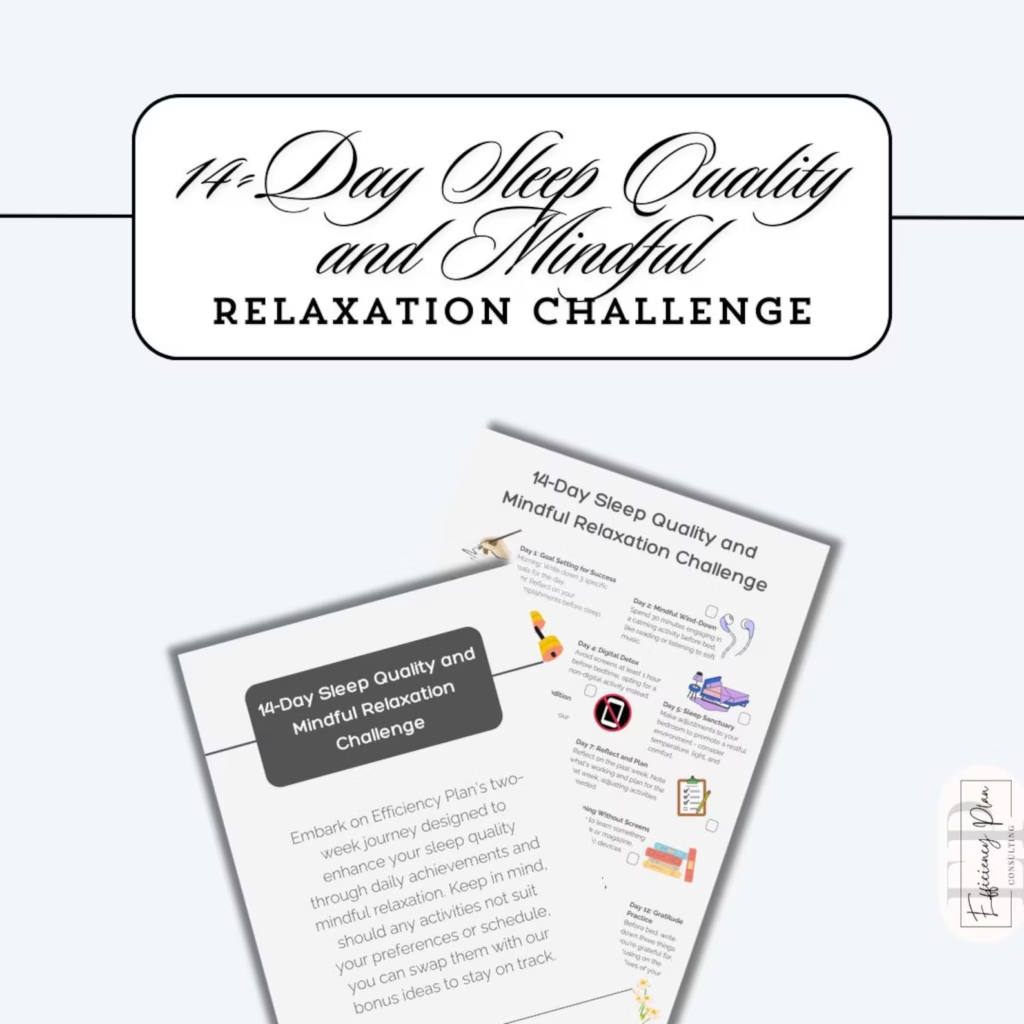
When your days feel scattered and overloaded, it can become harder to create a calm transition into the evening. If you’re waking up tired or struggling to focus during the day, it may be time to look at both your productivity system and your recovery habits.
Building habits that support more restful sleep can be an important part of a productivity reset. Productivity works better when your system makes room for recovery instead of treating rest as wasted time.
🛒 Try this to help reset your evenings and mornings:
14-Day Sleep Quality & Mindful Reset Printable
4. You Can’t Stick to Habits
You start a new routine with excitement—but abandon it a few days later. Consistency becomes elusive when systems aren’t aligned with your lifestyle, energy levels, or values.
A productivity makeover doesn’t mean adding ten new habits at once. Often, it means choosing fewer behaviors that are realistic enough to repeat consistently.
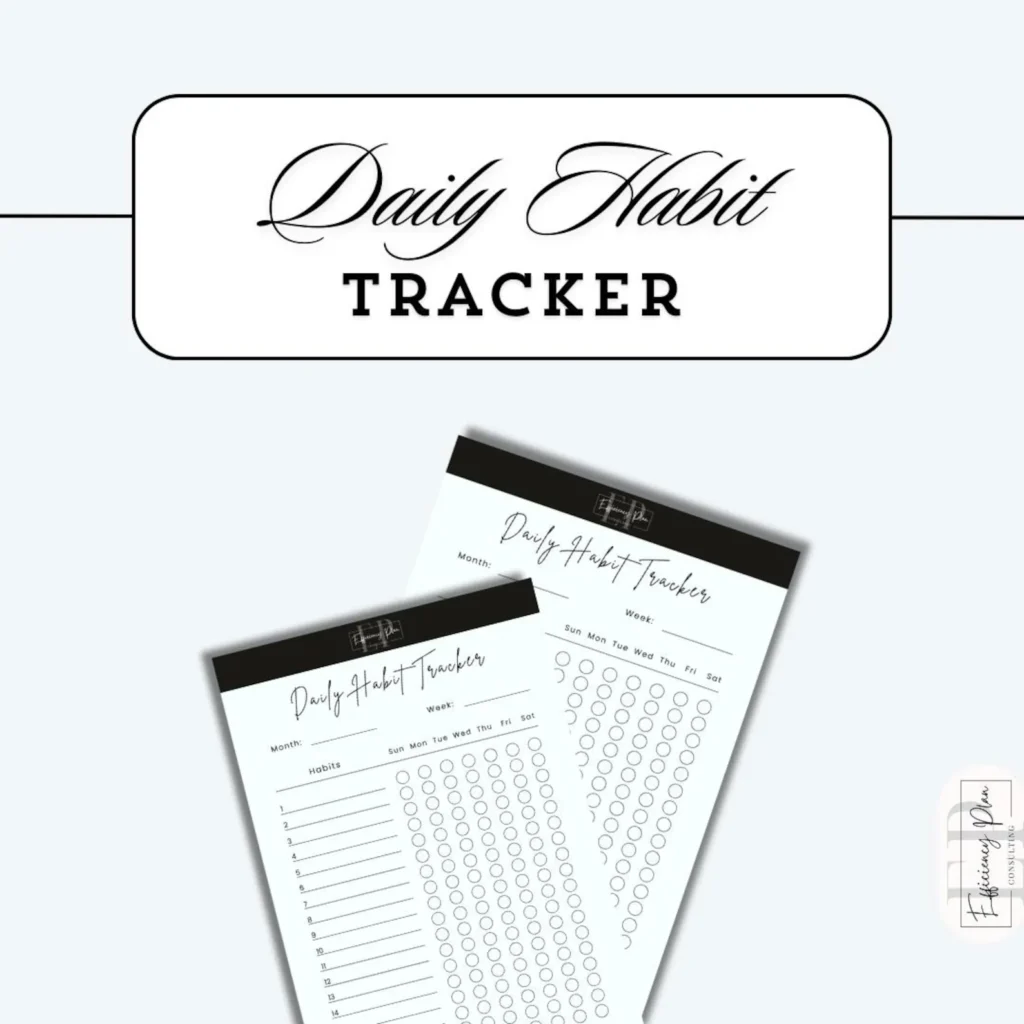
🛒 Want to build better habits without burnout?
Check out the Printable Minimal Daily Habit Tracker to make small steps visible—and doable.
5. You Dread Your Planner
If opening your planner fills you with anxiety instead of clarity, your productivity tools may be working against you. A productivity makeover means creating a setup that feels intuitive, empowering, and tailored to how you actually live and work.
Your planner should reduce decisions—not create more of them. If your system contains too many priorities, categories, trackers, and expectations, simplifying may be more productive than adding another layer.
Ready to Reset?
A productivity makeover doesn’t have to mean starting from scratch. Sometimes, all it takes is a few intentional tweaks to how you plan your time, track your goals, and care for your energy.
If your biggest challenge is deciding what actually deserves your time, Essentialism: The Disciplined Pursuit of Less by Greg McKeown is a useful resource for thinking more deliberately about priorities and focusing your energy on what matters most.
Explore more tools in our Efficiency Plan Etsy Shop to help you reclaim your time—and your peace of mind.
Quick Questions About Resetting Your Productivity
How do you know when your productivity system isn’t working?
Common signs include constantly feeling behind, spending most of the day reacting to messages and small tasks, struggling to maintain routines, and feeling overwhelmed by the tools that are supposed to help you stay organized.
Do you need a completely new productivity system?
Not always. Start by identifying what is creating the most friction. Removing unnecessary tasks, reducing priorities, simplifying your planner, or protecting focused work time may be enough to make your current system useful again.
What is the first step in a productivity makeover?
Identify the few outcomes that matter most right now. Then look at your schedule, habits, and tools and ask whether they are helping you move toward those priorities or simply keeping you busy.