
Time is our most precious resource—yet it slips away faster than we realize. Whether you're managing a team, running a household, or juggling side hustles, the feeling is universal: there’s never enough time.
But what if you could reclaim an extra hour—or even two—through better systems and fewer time drains?
This post explores how time scarcity affects us, the systems that can help you regain control, and a practical plan of action to get more value from the time you already have.

⏳ Common Time Scarcity Scenarios
Busy professionals often find themselves stuck in cycles that eat away at their time:
- Back-to-back meetings that leave no room for deep work
- Disorganized digital files or task lists that slow down every action
- Endless context switching between work, home, and everything in between
- Trying to do everything yourself instead of seeking support
These challenges don’t just consume time—they can create stress, reduce effectiveness, and make it harder to focus on the work that matters most.
Constant switching deserves special attention. The American Psychological Association explains that shifting repeatedly between tasks comes with measurable task-switching costs. Even when each interruption seems small, those costs can accumulate throughout the day.
One practical way to reduce that switching is batching similar tasks together so your attention is not constantly moving between unrelated types of work.
💡 Strategies to Reclaim More Time
The good news? You may not be able to create more hours, but you can reclaim time that is currently being lost to inefficient systems, unnecessary decisions, and repeated interruptions.
1. Delegate What Drains You
Outsource tasks that don’t require your personal touch. Whether it’s hiring a virtual assistant, sharing responsibilities with your team, or asking for help at home, delegation frees you up for work that truly requires you.
If letting go is difficult, learning how to delegate effectively can help you transfer responsibility without losing clarity or accountability.
2. Automate Repetitive Tasks
From bill payments to recurring reminders and social media workflows, automation can reduce unnecessary manual work. Tools like Zapier, Notion templates, or Google Calendar can help remove repetitive steps and reduce mental load.
3. Time Block Your Schedule
Instead of reacting to tasks all day, reserve clear blocks for focused work, creative thinking, communication, and breaks. A visual structure makes it easier to protect important work before the day fills up with other people’s priorities.
A useful next step is learning how to plan your week around your highest priorities, then using daily time blocks to protect the work that supports those goals.
A visual timer can also make a focused work block easier to follow because you can see how much time remains without repeatedly checking the clock. The Time Timer MOD 60-Minute Visual Timer is one option designed to make a set period of time easy to see at a glance.
4. Use a Productivity System That Works for You
A good system creates peace, not pressure. Whether you prefer digital dashboards, printable planners, or a combination of both, the goal is to create enough structure that you know what matters without spending your day managing the system itself.
✅ Your 5-Step Plan to Gain More Time
Ready to make it real? Here’s your action plan:
- Audit your time: Track your activities for one week using a time tracker or printable log.
- Identify time drains: Look for tasks that are low-value or high-effort with minimal return.
- Batch and automate: Group similar tasks and automate what you can using free or low-cost tools.
- Adopt a planning system: Use a weekly planner that allows task prioritization and reflection.
- Protect your boundaries: Say “no” to non-essential tasks and set limits around your availability.
🛠️ Planning Tool to Help You Take Control
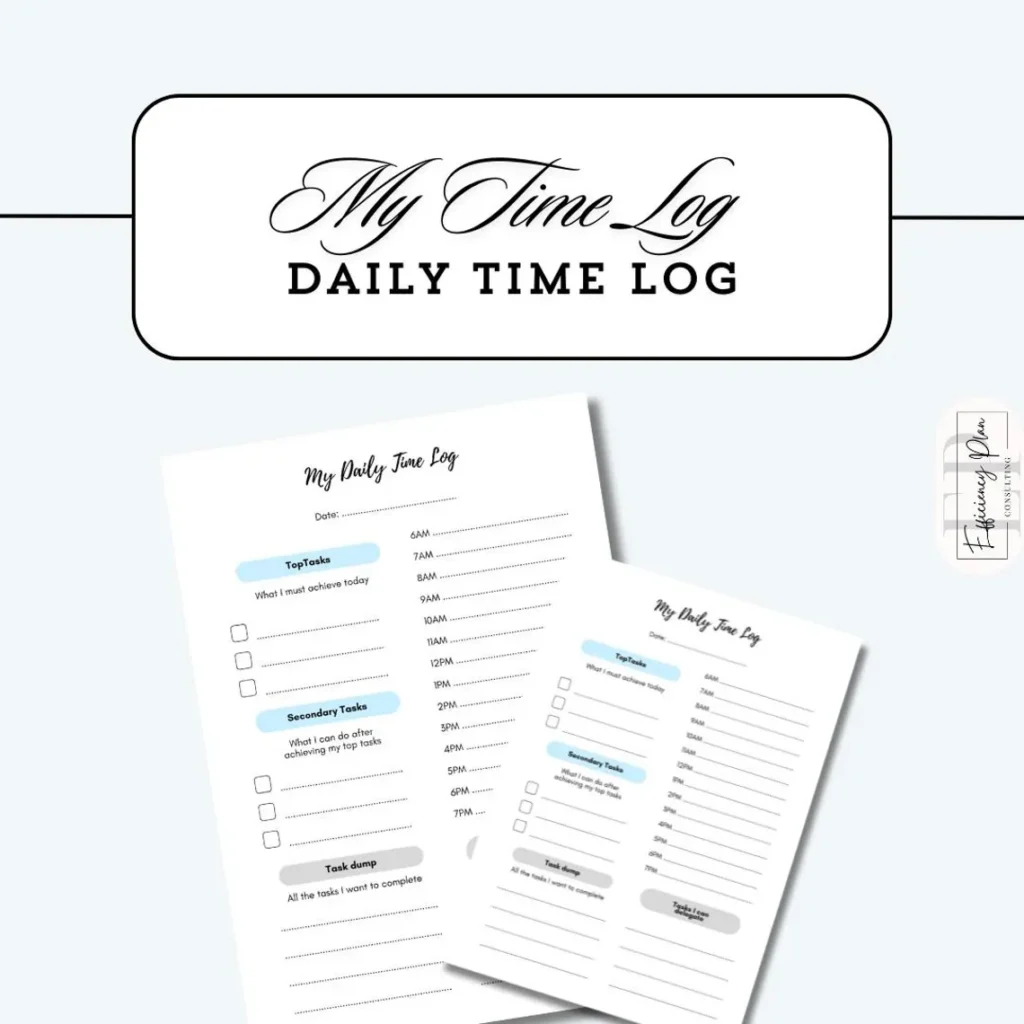
Set your top goals, appointments, and habits in one clear layout.
✔️ Ideal For: Busy professionals, coaches, creators
💡 Benefit: Visual clarity and a better picture of where your time is going each day.
🛒 View more planning and productivity tools at the Efficiency Plan Etsy Shop.
If you’ve ever wished for more hours in a day, you're not alone—but the answer may not be more time. It may be better systems for protecting the time you already have.
✨ Start small. Audit where your time goes, remove one unnecessary drain, protect one focused block, and choose tools that make your day easier to manage rather than more complicated.
Quick Questions About Reclaiming Your Time
Why does it feel like there is never enough time?
Time can disappear through interruptions, repeated task switching, unnecessary meetings, unclear priorities, and work that could be delegated or automated. Tracking your time for several days can help reveal where those losses are happening.
What is the fastest way to regain time in your day?
Start with recurring tasks. Identify one activity you can eliminate, delegate, batch, or automate. Repeated activities often create the biggest opportunity because even a small improvement is multiplied every time the task occurs.
Does time blocking really help productivity?
Time blocking can help by giving important work a defined place in your schedule instead of leaving it to compete with messages, meetings, and other interruptions. Keep the blocks realistic and leave some open space for unexpected needs.