
Leadership is not just about skills—it's fundamentally a matter of mindset. While frameworks, tools, and strategies are important, the way you think about your role, your team, and the process of collaboration is what truly defines your leadership. For me, the shift from trying to control every detail to enabling others unlocked both personal growth and team performance.

From Control to Empowerment
Like many early-career leaders, I believed that the key to success was being the final decision-maker. I scrutinized every detail, insisted on approval at every stage, and wore control as a badge of honor. Yet this approach had unintended consequences: bottlenecks, delayed decisions, and a team that rarely acted without explicit permission.
The turning point came when I realized leadership isn't about having all the answers—it's about creating conditions where others feel confident in contributing. I began to empower my team to make decisions, propose ideas, and own outcomes. Learning the art of delegation is a big part of that shift: giving people real responsibility instead of simply handing them more tasks. The result? Enhanced trust, efficiency, and a dynamic team culture.
Gallup’s research on workplace trust also highlights the importance of authentic leadership, clear expectations, listening, and creating an environment where employees can contribute with confidence. You can explore Gallup’s insights on building trust in the workplace.
Why Mindset Outweighs Methods
Methods give structure, but mindset gives purpose. A leadership mindset that centers on trust and autonomy transforms the way challenges and opportunities are approached. Suddenly, your team stops waiting for direction and starts anticipating—and delivering—it.
That does not mean removing structure. In fact, unclear expectations can create the opposite problem. When people don’t know where their authority begins or ends, ambiguity can start to feel like micromanagement. Empowerment works best when people understand the goal, their responsibility, and the decisions they are trusted to make.
Core Principles of the Mindset Shift
- From “I must prove myself” to “How can I help others shine?”
Leadership isn’t about showcasing your competence—it’s about nurturing capability. - From “Mistakes are failures” to “Mistakes are learning milestones.”
Embracing errors as feedback builds a psychologically safe environment ripe for innovation. - From “I need all the answers” to “How can I ask better questions?”
Great leadership invites collective intelligence—it doesn’t impose it. - From “Busy equals productive” to “Focused clarity equals impactful results.”
Strategic clarity empowers teams far more than constant motion ever could. Understanding the difference between being busy and being productive helps leaders focus on outcomes rather than activity.
The Ripple Effect: Better Leadership, Better Outcomes
Once I shifted mindsets, tangible improvements followed:
- Faster decision-making—no more waiting for approvals.
- Higher engagement—people felt valued and invested.
- More innovation—with space to explore, creative solutions flourished.
- Stronger culture—grounded in trust, not micromanagement.
Letting go of control didn’t weaken leadership—it strengthened it.
If this shift from controlling people to developing their capability resonates with you, Multipliers: How the Best Leaders Make Everyone Smarter by Liz Wiseman explores how leaders can bring out more intelligence, initiative, and capability in the people around them.
Tools That Reinforce the Leadership Mindset
Shifting mindset is about daily practice, not just theory. That’s why I’ve leaned on practical tools that help reinforce empowerment, clarity, and recognition. Two templates from the EfficiencyPlan Etsy shop fit seamlessly into this philosophy:
1. Minimal Printable Employee Shoutout Cards for Employee Appreciation
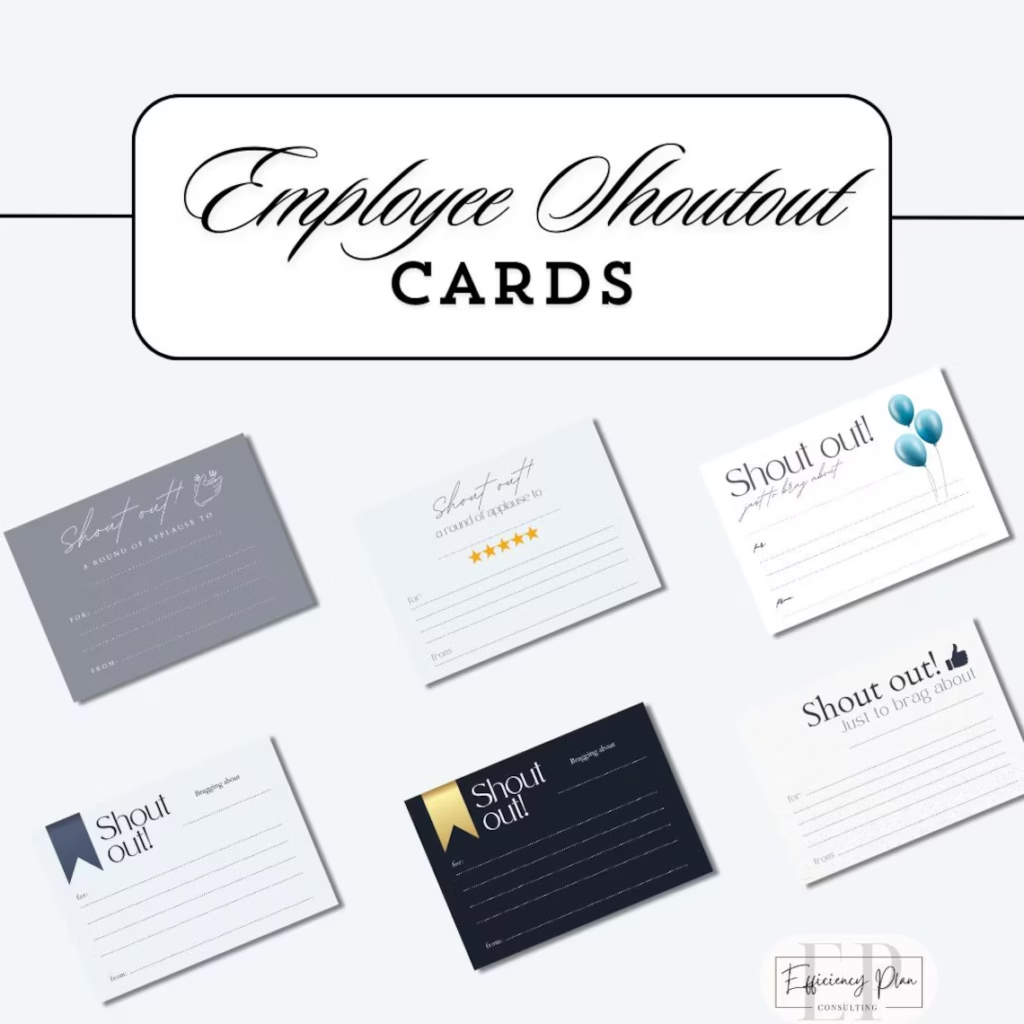
Recognition is a powerful form of empowerment. These printable cards make it easy to highlight individual contributions in a personal, meaningful way. Instead of waiting for formal performance reviews, leaders can use shoutouts to build a culture of everyday appreciation—fueling engagement and reinforcing the mindset that success is shared.
2. My Rapid List | Printable Daily Productivity Planner
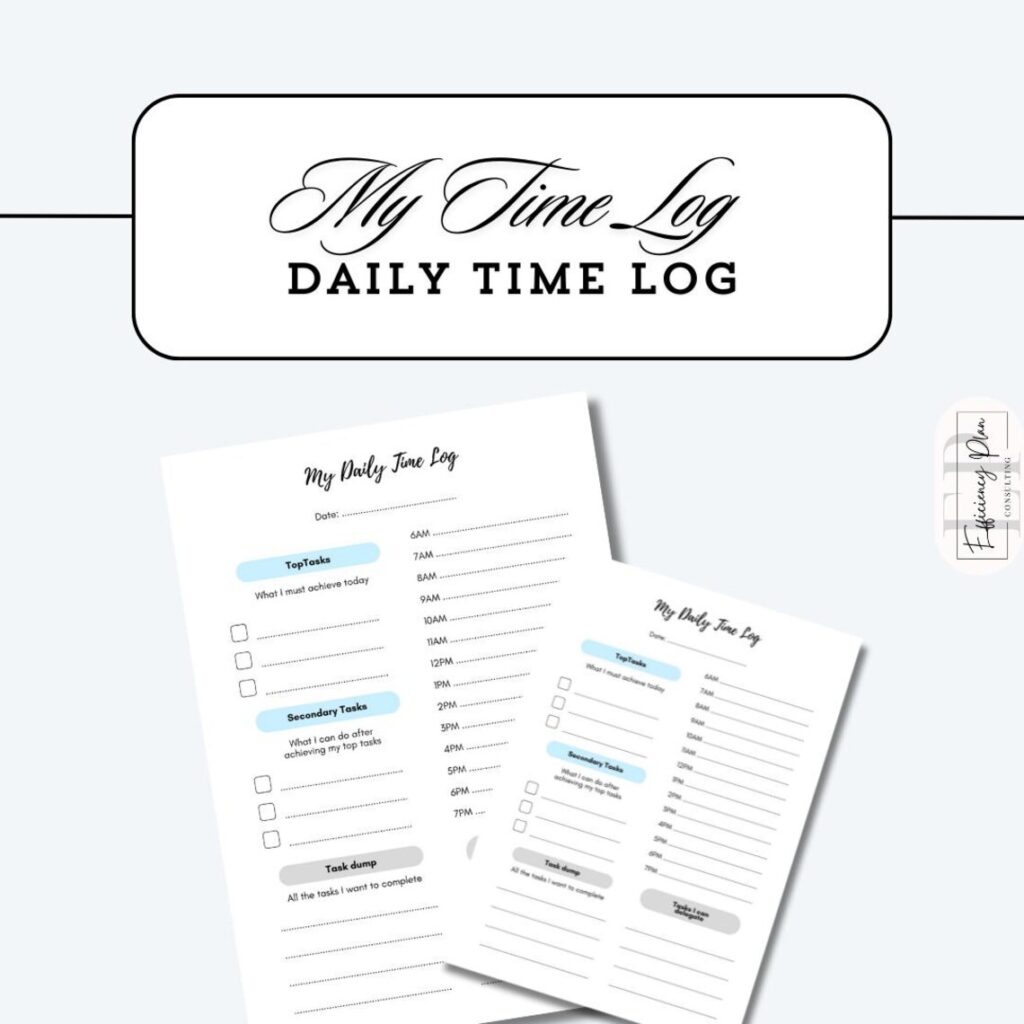
Clarity is the antidote to micromanagement. This minimalist daily planner helps individuals prioritize tasks, stay focused, and take ownership of their schedules. By encouraging team members to use tools like this, leaders shift the focus from monitoring activity to trusting results—fostering autonomy and accountability.
How to Apply the Mindset and the Tools
- Delegate Ownership, Not Just Tasks – Use planners like My Rapid List to give team members clear responsibility while letting them decide the “how.”
- Celebrate Progress with Recognition – Keep Shoutout Cards on hand to acknowledge initiative and teamwork in real time.
- Normalize Reflection – Encourage your team to use daily planning as a self-leadership tool.
- Lead by Example – Show appreciation openly and model effective time management yourself.
- Reinforce Autonomy – Pair structure (templates) with trust, and watch initiative multiply.
Shifting your mindset from control to empowerment doesn’t just make you a better leader—it transforms the entire team dynamic. By combining a leadership approach grounded in trust with simple but effective tools like the Employee Shoutout Cards and Rapid List Planner from EfficiencyPlan, you create an environment where people thrive.
Leadership is less about doing and more about becoming. Empower others, celebrate their contributions, and provide the clarity they need to excel. That’s how real efficiency—and real leadership—begin.
Quick Questions About Shifting Your Leadership Mindset
What does it mean to shift from control to empowerment?
It means moving away from making every decision yourself and creating clear expectations that allow other people to make decisions, solve problems, and take ownership of results.
Does empowering employees mean giving up control completely?
No. Empowerment still requires clear goals, responsibilities, boundaries, and accountability. The difference is that leaders provide direction without controlling every step of how the work gets done.
How can leaders encourage more initiative from their teams?
Start by clarifying expectations, delegating meaningful responsibility, asking employees for solutions instead of immediately providing answers, recognizing initiative, and allowing people room to make appropriate decisions.