
Hey Kids! Do you know what's more powerful than super strength or super speed? It's the superpower of listening! When you tune in and listen carefully, you can achieve amazing things and impact the world.
Listening is a life skill that's best to practice as early in life as possible. But don't worry if you haven't been listening as well as you could – it's better late than never! When someone you know and respect, who cares about you and is intelligent and kind, gives you advice or guidance, try to perk up and take action immediately or soon after.
Listening carefully does not mean you have to agree with or automatically follow everything another person says. Good listening also means thinking about what you heard, asking questions when something is unclear, and speaking with a trusted adult if an instruction makes you feel unsafe, uncomfortable, or confused.
Listening and understanding directions are skills that develop with practice. The American Speech-Language-Hearing Association encourages families to help children listen, follow directions, ask questions, and participate in conversations as communication skills develop.
Why is the superpower of listening so important?
- You'll learn new things and become smarter
- You'll make better friends and have stronger relationships
- You'll avoid mistakes and stay safe
- You'll achieve your goals and dreams faster
Listening becomes especially useful when directions contain more than one step. Before you start, try asking yourself: What am I supposed to do first? What comes next? Is there anything I need to remember before I begin? If following written instructions is another skill you want to practice, read Unlocking Success for Kids: The Power of Reading Instructions.
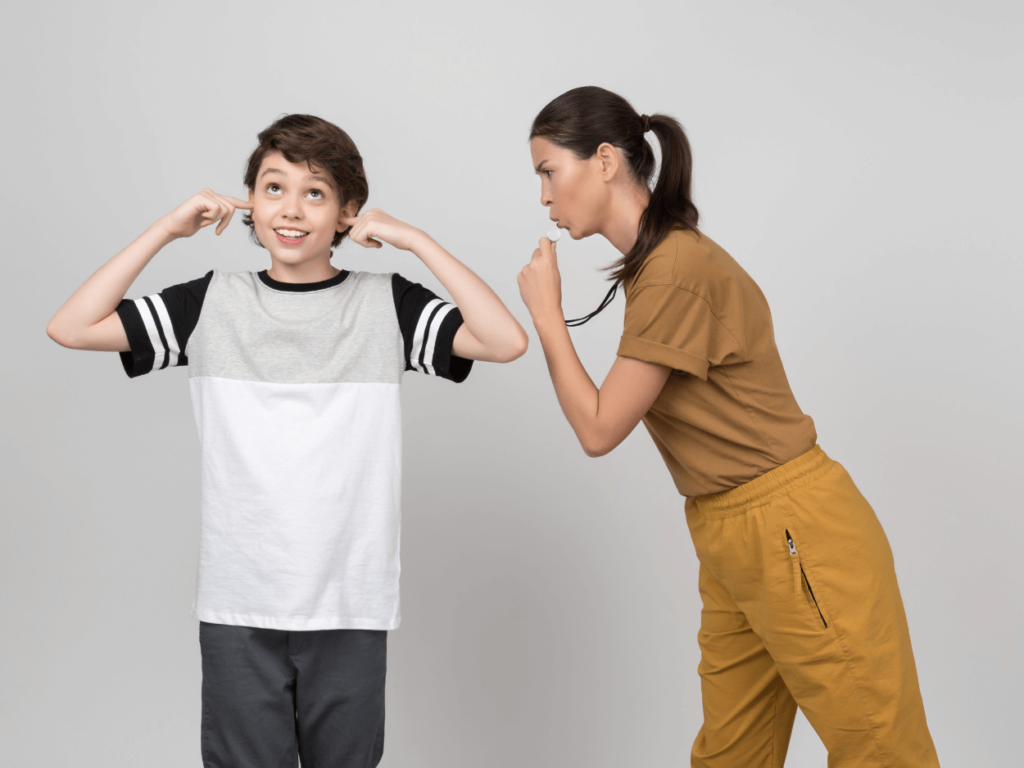
So, how can you develop your superpower of listening?
- Pay attention and focus on the person speaking
- Ask questions to clarify and understand better
- Repeat what you heard to make sure you got it right
- Take action and follow through on what you learned
Try the Listen, Check, Act Method
When someone gives you an important instruction, try these three steps:
- Listen: Stop what you are doing when possible and focus on the message.
- Check: Repeat the instruction in your own words or ask a question if something is unclear.
- Act: Begin the appropriate next step instead of waiting until someone reminds you again.
For example, if someone says, “Put your homework in your backpack and then bring your water bottle downstairs,” you might repeat: “Homework in my backpack, then water bottle downstairs.” That small check can help you remember both steps.
Listening and Taking Initiative Work Together
Listening is only the first part. Once you clearly understand an appropriate instruction, following through without needing repeated reminders can help you become more independent. How Being a Self-Starter Helps Kids Succeed explores how taking the next step on your own can build responsibility and confidence.
Remember: Good Listeners Can Still Speak Up
Being a good listener does not mean staying silent when something does not make sense. You can respectfully say:
- “Can you explain that again?”
- “Which part should I do first?”
- “I heard you say ____. Is that right?”
- “I’m not sure I understand.”
- “I don’t feel comfortable doing that. Can I ask another trusted adult?”
Clarifying an instruction is part of listening well—not evidence that you were not paying attention.
Are you ready to improve your listening skills?
Soon, you will be able to download the 12-day listening challenge for kids. Stay tuned and subscribe here!
Remember, listening is like having a superpower in your pocket! It's always with you, and when you use it, amazing things can happen. So, tune in, listen up, and prepare to achieve greatness!
If you're looking to help your child develop better listening and communication skills, this 5-Day Active Listening Course for Kids (ages 10-17) is an excellent option. Through fun and interactive activities, they will discover the significance of active listening and learn how to use this skill in everyday situations to build stronger relationships, boost their academic success, and express themselves more clearly. A great resource for their personal and educational development!
An Optional Tool for Practicing Directions
If your child benefits from extra practice following and processing instructions, School Zone Following Directions is one optional resource for practicing this skill through structured activities.
More Tools for Kids and Families
If visual routines, responsibility charts, goal sheets, and printable activities help your child practice independence and follow-through, explore the Efficiency Plan Etsy Shop.
Best Wishes,
Quick Questions About Listening Skills for Kids
How can children practice active listening?
Children can practice by focusing on the person speaking, reducing distractions when possible, asking questions, repeating important information in their own words, and following through once they understand an appropriate instruction.
Is asking someone to repeat an instruction a sign of poor listening?
No. Asking for clarification can be an important part of good listening. It is often better to confirm what someone meant than to guess and complete the wrong task.
Does good listening mean children should always obey adults?
No. Children should learn to listen respectfully while also understanding personal safety and appropriate boundaries. If an instruction feels unsafe, inappropriate, confusing, or uncomfortable, they should know they can pause and speak with a trusted adult.