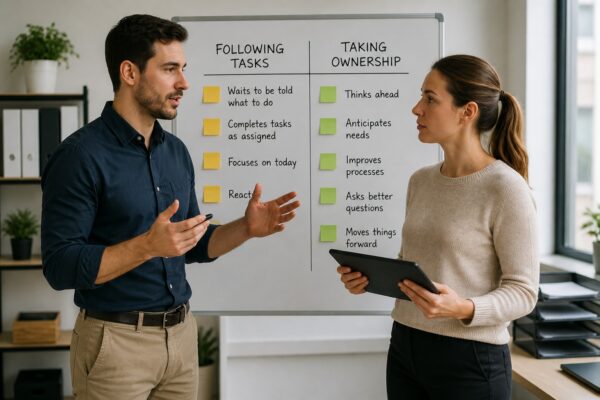
Productivity isn’t just about getting more done—it’s about getting the right things done in less time, with less stress. Highly productive people don’t just work harder; they work smarter. They understand the difference between being busy and being productive, and they build their days around meaningful progress instead of constant activity.

1. Time is a Non-Renewable Resource
Productive people value their time like gold. They set clear priorities, eliminate distractions, and use tools that keep them on track. Every minute is an investment, not just a passing moment.
2. Planning is Power
A clear plan reduces unnecessary decisions and creates direction. Whether it's a daily planner, a task tracker, or a strategic roadmap, productive people have a system for deciding what deserves their attention.
If you want to take that idea beyond a daily to-do list, learning how to plan your week like a CEO can help you connect daily work to bigger priorities before meetings, emails, and interruptions take over.
Need a planning system? Explore our digital planners and time-blocking tools at the Efficiency Plan Etsy shop.
3. Perfection is the Enemy of Progress
Waiting for the perfect moment or the perfect version of something often leads to stagnation. Instead, productive individuals focus on consistent action, learning, and improvement over time.
4. Automation and Delegation Are Game Changers
They know they can't do it all alone. They delegate tasks, automate repetitive processes, and use templates to save time. The goal isn’t to avoid work—it’s to protect time and attention for work that requires their judgment and expertise.
5. Energy Management is Just as Important as Time Management
They schedule deep-focus work during peak energy hours and take strategic breaks to maintain momentum. Small changes, like using a Pomodoro timer or adjusting daily routines, can make a meaningful difference.
6. They Invest in Systems, Not Just Motivation
Motivation fluctuates, but systems keep you moving forward. That’s why productive people build routines and habits that support their goals every day. A reliable system helps reduce the amount of information, reminders, and unfinished commitments you need to keep in your head.
One classic resource on this approach is Getting Things Done: The Art of Stress-Free Productivity by David Allen. The GTD approach focuses on capturing commitments in a trusted external system, clarifying next actions, and organizing work so you can focus more clearly on what needs to happen next.
7. Reflection Leads to Growth
Productive people take time to assess what’s working and what’s not. Productivity isn’t about doing more—it’s about doing better. Regular self-audits help them stay aligned with their bigger vision.
8. They Apply the 5-Second Rule
Popularized by Mel Robbins, the 5-Second Rule uses a short countdown to interrupt hesitation and encourage immediate action. For small decisions and tasks, creating a clear cue to begin can help reduce the time spent negotiating with yourself.
9. The 60-Second Rule for Small Tasks
If a task takes less than a minute to complete, doing it right away can prevent tiny tasks from accumulating into a much larger list. You can see another practical example of this idea in Here They Grow’s guide to the 60-Second Rule.
10. The Eisenhower Matrix for Prioritization
Productive people classify tasks based on urgency and importance, separating them into four categories: urgent and important, important but not urgent, urgent but not important, and neither urgent nor important. This helps make it easier to identify high-value work while delegating, scheduling, or eliminating lower-value tasks.
11. Deep Work Over Shallow Work
They reserve uninterrupted blocks of time for complex and high-value tasks, allowing them to give important work their full attention.
The American Psychological Association explains that repeatedly switching between tasks can create task-switching costs that add up over time. Reducing unnecessary switching can therefore be an important part of protecting focused work.
One practical way to reduce constant switching is batching similar tasks together. Instead of moving repeatedly between unrelated types of work, you group activities that require a similar kind of attention.
12. Time Audits for Constant Improvement
Tracking how they spend their time helps productive people identify inefficiencies and adjust their focus toward what truly matters. This self-awareness creates opportunities for ongoing improvement instead of relying on assumptions about where the day went.
13. Structured Morning Routines
Starting the day with a simple morning routine—whether it includes movement, reflection, planning, or goal-setting—can create structure before the demands of the day begin competing for attention.
14. The Pomodoro Technique to Maximize Focus
Working in focused intervals followed by short breaks can make large tasks feel more manageable and create a clear boundary around distraction-free work. Try out this timer if you prefer having a dedicated tool instead of using your phone.
15. Automating and Delegating Low-Value Tasks
Productive people know their time is best spent on high-impact activities. By automating repetitive processes and delegating whenever possible, they free up mental space for work that requires more thought and judgment.
16. Maintaining a Distraction Log
When random thoughts or unrelated tasks arise, instead of immediately switching away from their work, they jot them down and revisit them later. This creates a place to capture the thought without allowing it to take over the current task.
17. Time Blocking for Better Structure
Assigning specific periods to different types of tasks creates a more intentional workday. Instead of hoping priority projects somehow fit into the schedule, productive people reserve space for them before the day fills up.
18. Prioritizing Quality Sleep for Peak Performance
Sleep isn’t wasted time. Productive people recognize that recovery supports the attention and energy they need during the day, so they make room for consistent sleep instead of treating exhaustion as a productivity strategy.
19. Regular Self-Reflection and Adjustments
At the end of each day or week, they evaluate what worked and what didn’t. Small, consistent adjustments help keep productivity systems useful as schedules, responsibilities, and priorities change.
If you're ready to take your productivity to the next level, explore our curated planners, trackers, and productivity tools at the Efficiency Plan Etsy shop. The goal isn’t to make productivity complicated—it’s to build a system that makes the right work easier to see and easier to finish.
Quick Questions About Becoming More Productive
What do highly productive people do differently?
They focus on priorities instead of simply staying busy. They also use systems to organize commitments, protect focused work, delegate or automate lower-value tasks, and regularly review what is and isn’t working.
Is productivity about working faster?
Not necessarily. Productivity is more about directing your available time and attention toward valuable outcomes. Sometimes the most productive choice is eliminating, delegating, postponing, or simplifying a task rather than completing it faster.
What is one simple way to become more productive?
Choose your most important task before the day becomes reactive. Protect a specific block of time for that work and reduce unnecessary switching until the block is complete.